Anna and Evie’s mother-daughter relationship
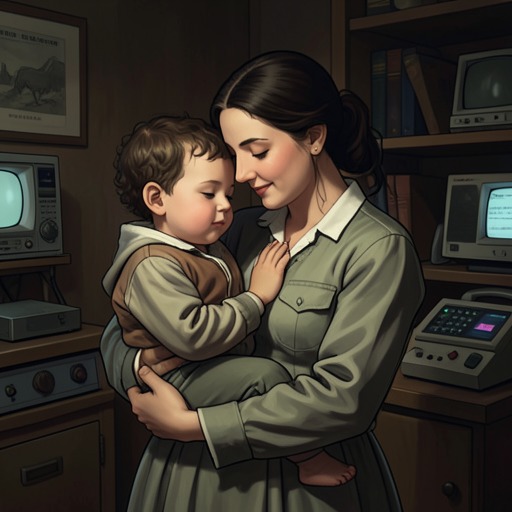
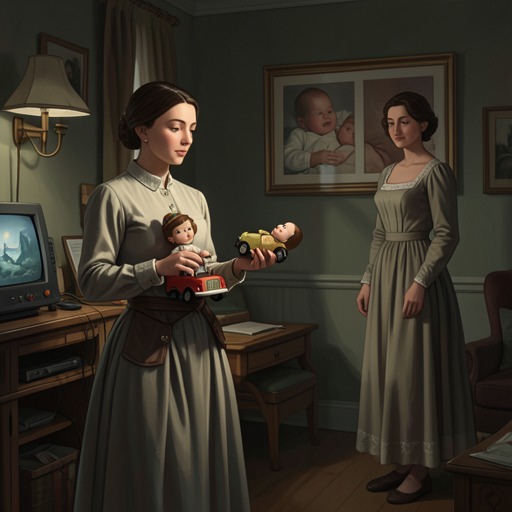
The Girl on the TrainAnna and Evie’s mother-daughter relationship moves from everyday caregiving to a fierce resolve to protect Evie from danger. Anna’s attentiveness is visible in small routines, but it becomes decisive after Megan’s disappearance exposes the risks around the people entrusted with the child. By the end, mother and daughter are at the center of a household shaped by betrayal and violence, and Anna’s idea of safety has changed irrevocably.
Care and everyday life
In an account dated August 16, 2012, Megan describes Anna’s days as organized around the baby: questions about whether Evie is warm enough and how much milk she has taken, with Megan watching the child while Anna rests. Megan experiences herself as a spare part in a life dominated by childcare, and reads Anna as nervous, easily startled by passing trains and the telephone. That description is Megan’s perspective, not an independent judgment of Anna’s parenting, but it establishes the close attention Evie receives and the strain that can accompany caring for an infant.
The arrangement also shows how care is shared and delegated. Anna accepts help with Evie, while Megan’s presence gives Anna a break; from Megan’s point of view, however, the work of looking after the baby leaves little room for adult conversation or other aspects of Anna’s life. The contrast between Anna’s continual focus on Evie and Megan’s discomfort around the baby foreshadows the later importance Anna places on deciding who may care for her daughter.
Trust and the limits of care
After Megan disappears, Anna reads an online report alleging that Megan may have been involved in the unlawful killing of her own child years earlier. The report presents the allegation as a possible motive for Megan’s murder, while Detective Inspector Gaskill makes no comment. Anna is unsettled but also admits relief that Megan is gone, interpreting Megan’s earlier reserve as evidence that something was wrong. The allegation remains a report, not a confirmed fact in this scene; its immediate effect is to recast, in Anna’s mind, the person who had helped care for Evie.
Anna’s retrospective account complicates that judgment. She remembers coming downstairs once to find Megan and Tom together while Evie cried in her high chair and neither adult looked toward her. The memory makes Anna reconsider whether she had sensed Tom’s attraction to Megan, but it does not make her accept that he could have harmed Megan. Her confidence in Tom as a father and provider persists even as her recollection reveals a moment when Evie’s needs went unattended. The episode draws a distinction between a mother’s watchfulness and the security she believes her household provides: Anna can notice danger in Megan and still fail to recognize the danger closer to home.
The bond under threat
When Rachel Watson arrives at the house, Anna is on the patio with Evie. She rises and draws her daughter to her side, a protective gesture that makes their physical closeness plain. The calmness of the greeting does not mean the situation is safe: Rachel later takes Evie by the hand and begins to pull her inside. Anna’s efforts to manage the encounter unfold alongside Rachel’s distress and the revelation that Rachel and Tom had an affair.
The news that Megan was pregnant brings a different kind of loss into Anna and Evie’s relationship. Anna looks at her daughter and feels grief for the brother or sister Evie will not have. The text does not establish the unborn child’s paternity, but Anna understands the pregnancy as the loss of a possible sibling for Evie. Her grief coexists with anger at Rachel, whom she does not want comforting her, and with the shock of learning how little she knows about the people around her. Evie’s small intervention, placing a sticky hand against Rachel’s mouth, briefly interrupts the adults’ escalating exchange; the child remains present not as an abstract symbol but as someone Anna is trying to keep close while the family’s foundations shift.
Protection and aftermath
Anna’s response becomes explicit when she sees Evie playing happily in the garden. Although she misses working, she concludes that she will not leave Evie with a childminder again, however qualified or recommended that person may be, and will not leave her with anyone else after Megan. The decision follows the breach of trust associated with Megan’s disappearance and Anna’s new fear about what can happen when another person is responsible for Evie. Her resolve offers a sense of control, but it also marks the narrowing of the circle of people she considers safe.
Later, after Rachel has been attacked, Anna briefly imagines a life with Tom and Evie without Rachel. Looking down at her sleeping daughter, she recognizes that this imagined security cannot last: she knows what Tom is capable of, and believes he will never trust her; she also fears that another Megan, or another woman like herself, could enter their lives. Her awareness of the danger changes the meaning of maternal protection from keeping Evie close to making a decision about the household itself.
In the immediate aftermath, Anna calls for help and takes responsibility for explaining what happened. Detective Inspector Gaskill, Detective Sergeant Riley, and other police officers arrive; Evie has slept through the events and is brought to the station with the adults. Anna’s composed account to the officers and her practical handling of the emergency place her in an active protective role, even as Rachel struggles to answer questions. Their mother-daughter bond is therefore bound to both routine care and crisis: Anna’s commitment to Evie endures, but the events force her to confront how far protection may require her to reject the life she once imagined for the three of them.